
Decoding Host Chemistry: How Staphylococcus aureus Survives Innate Immunity
The McGavin Lab studies how Staphylococcus aureus senses, adapts to, and survives the chemical signals of innate immunity it encounters during colonization and infection, including acidic pH, antimicrobial peptides, and antimicrobial fatty acids.
Core Research Themes
FarE, the RND-family efflux pump
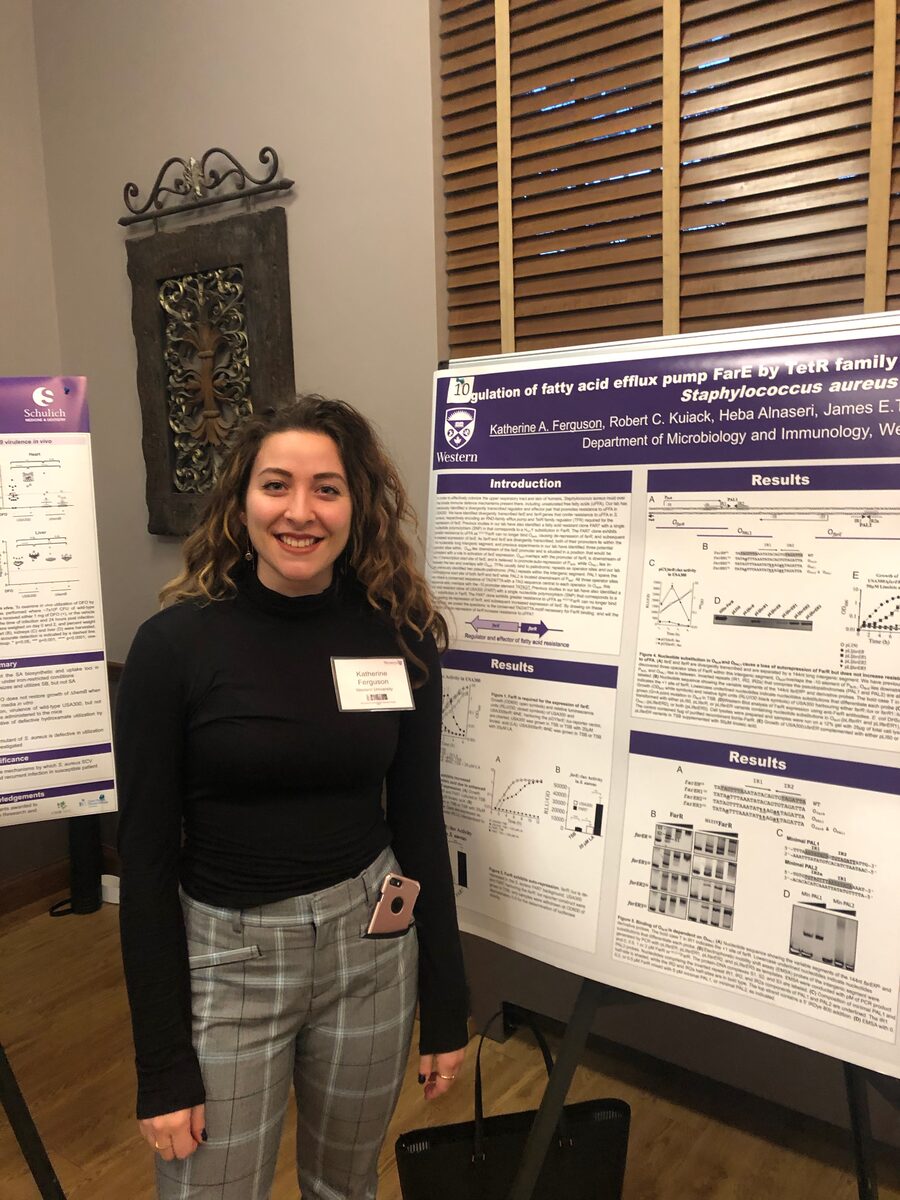
The lab identified FarE, the RND-family efflux pump S. aureus induces to survive antimicrobial unsaturated fatty acids, and FarR, the regulator that senses those fatty acids and switches it on.
02Reading combined signals
Bacteria don't face one stress at a time. We study how S. aureus integrates simultaneous signals, including antimicrobial peptides, antimicrobial fatty acids, and acidic pH, into a single coordinated response.
03Fatty acid metabolism
S. aureus can't synthesize unsaturated fatty acids, which are toxic if they accumulate in its membrane. How does the bacterium use host-derived fatty acids as a nutrient while limiting the toxicity?

Dr. Martin McGavin
Professor in the Department of Microbiology & Immunology, and the Department of Medicine, Schulich School of Medicine & Dentistry, at Western University.
Ph.D., University of Guelph. Postdoctoral training, University of Alabama at Birmingham. Previous faculty appointments at the University of Manitoba and the University of Toronto / Sunnybrook Health Sciences Centre.
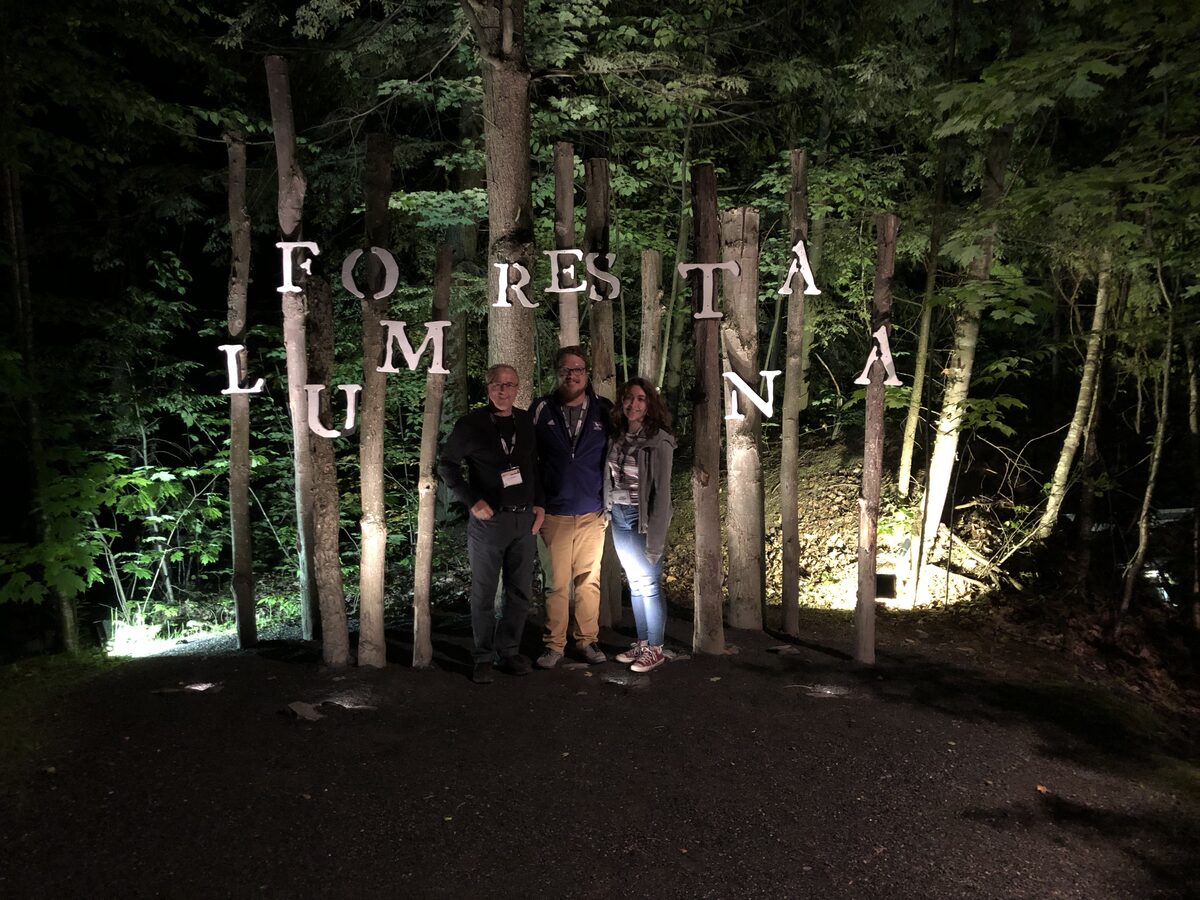
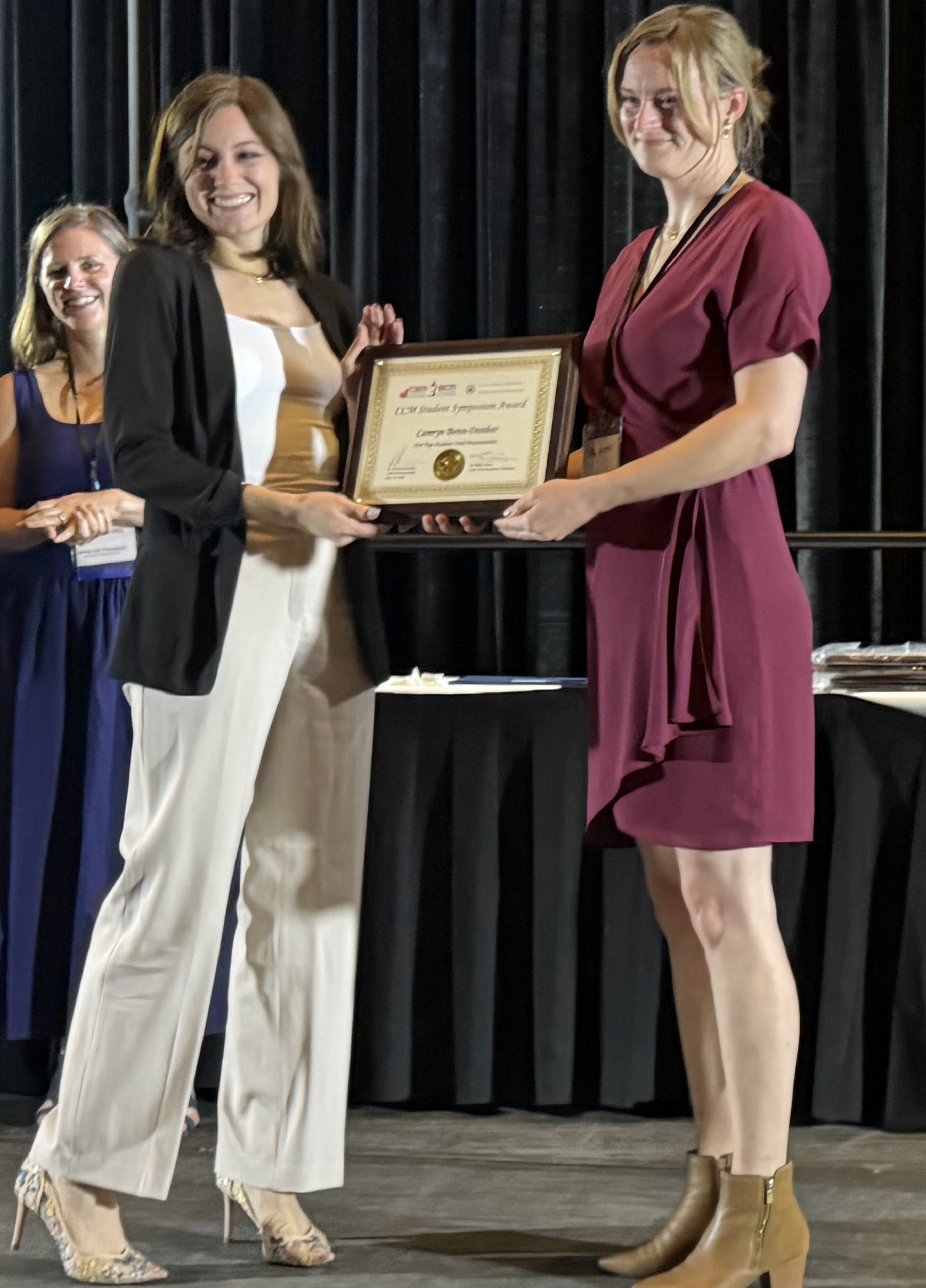
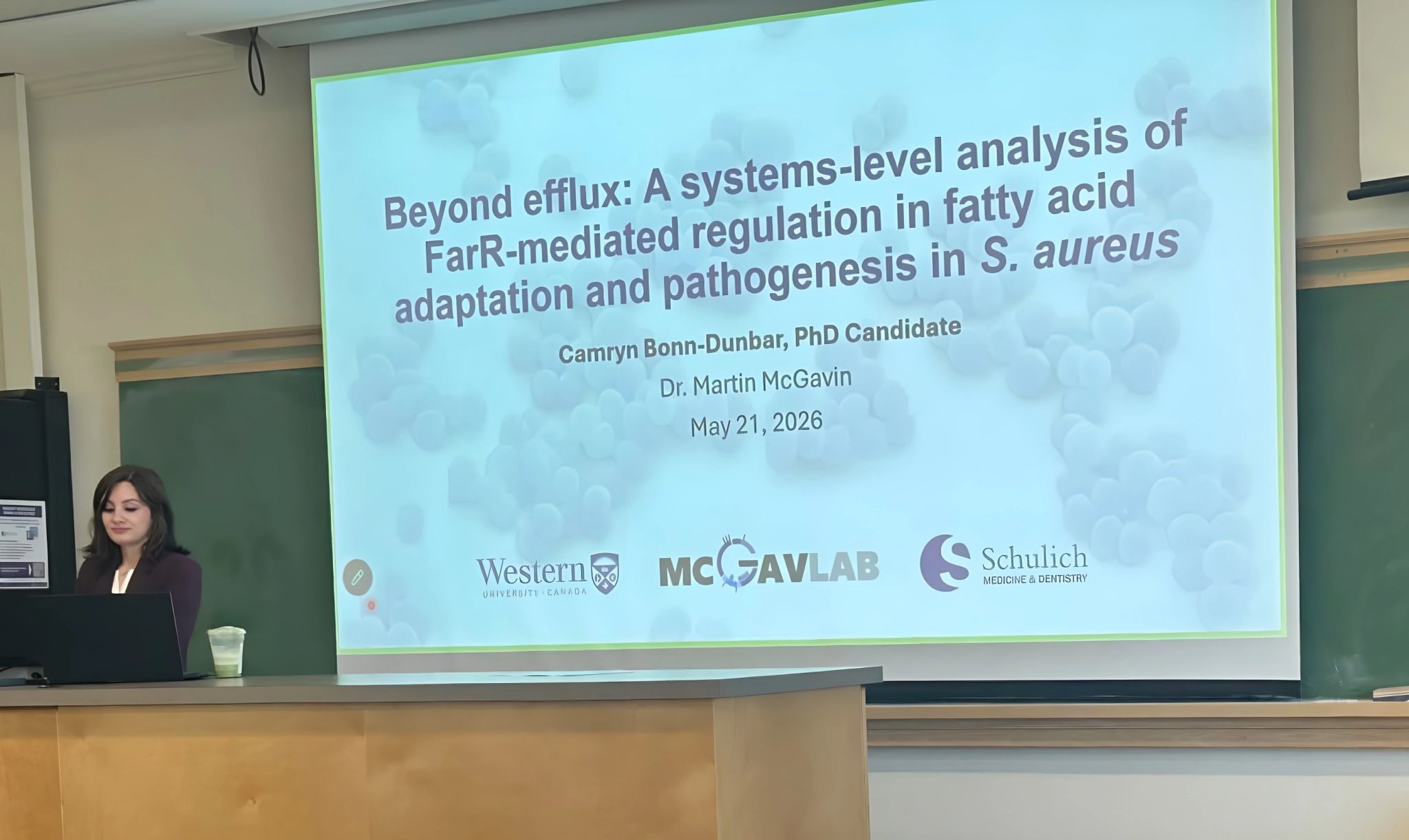
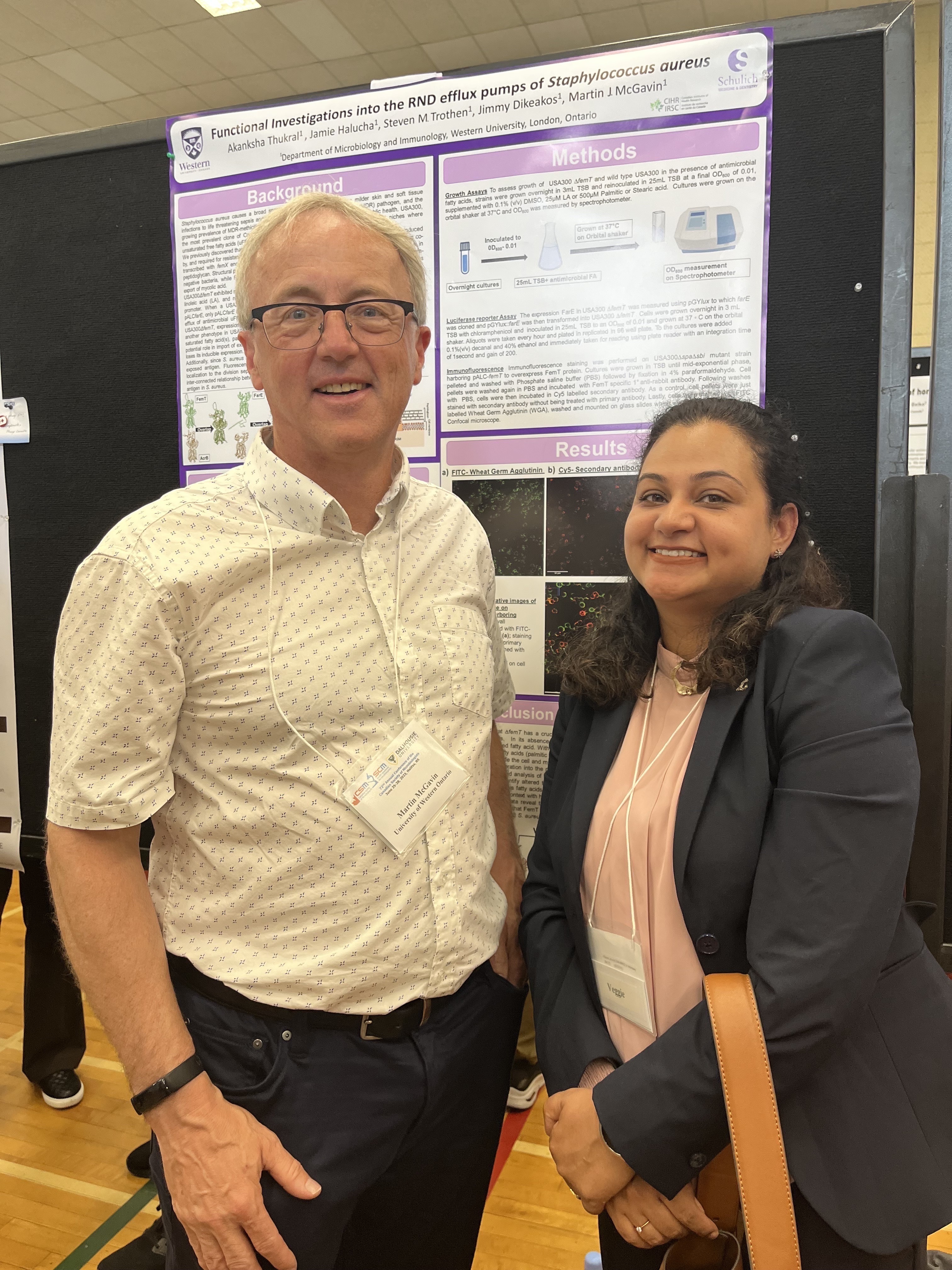
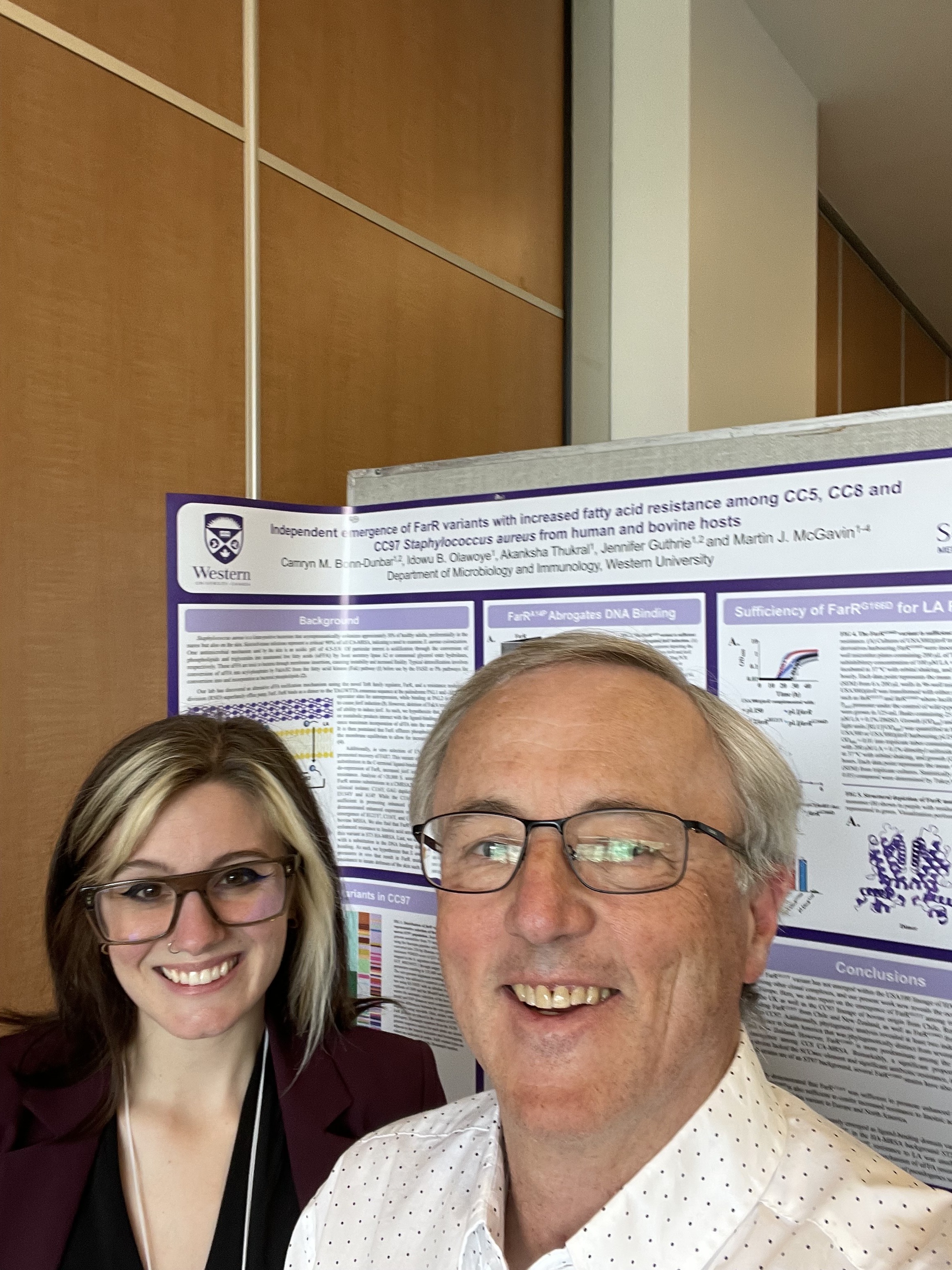
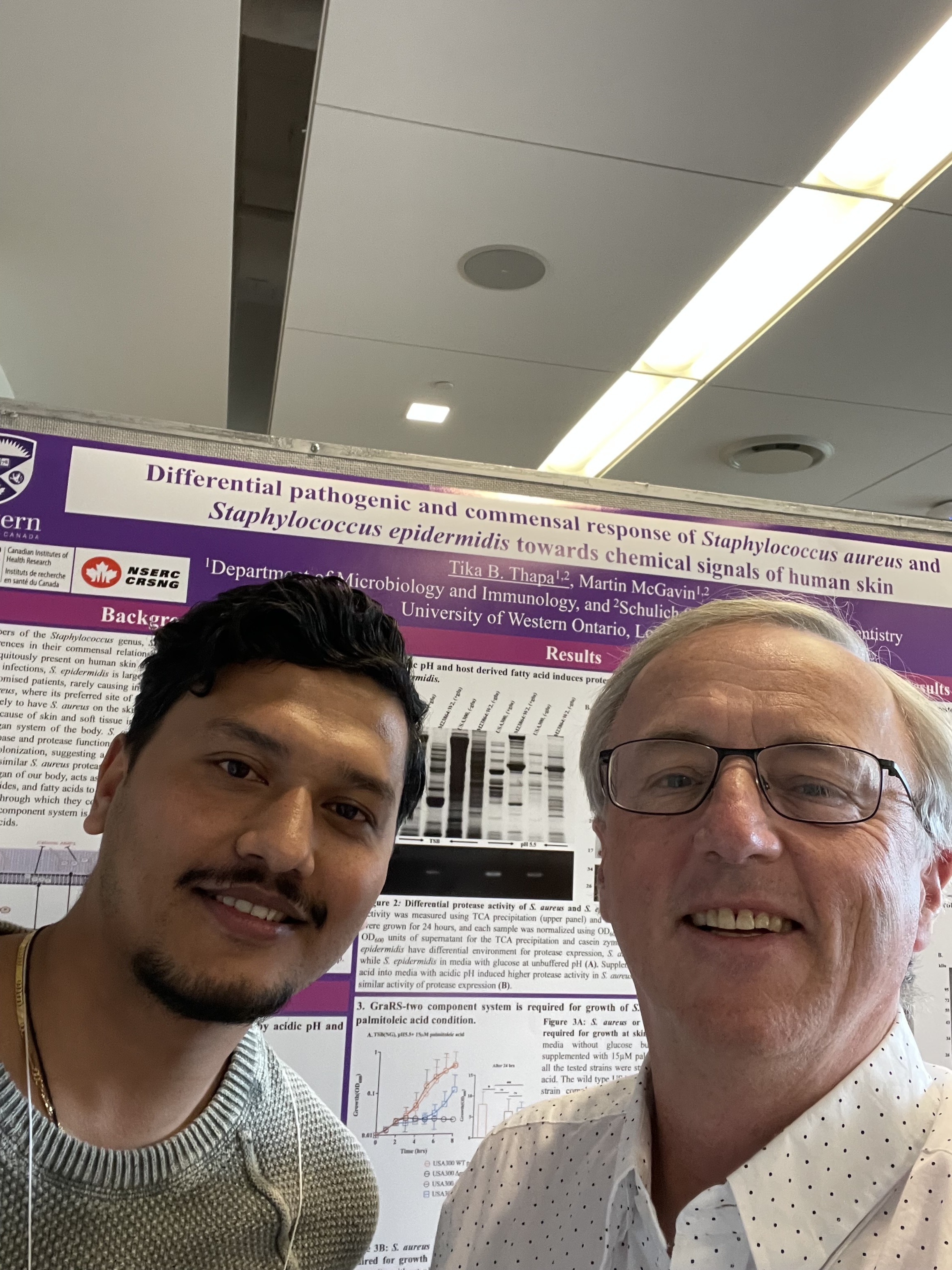
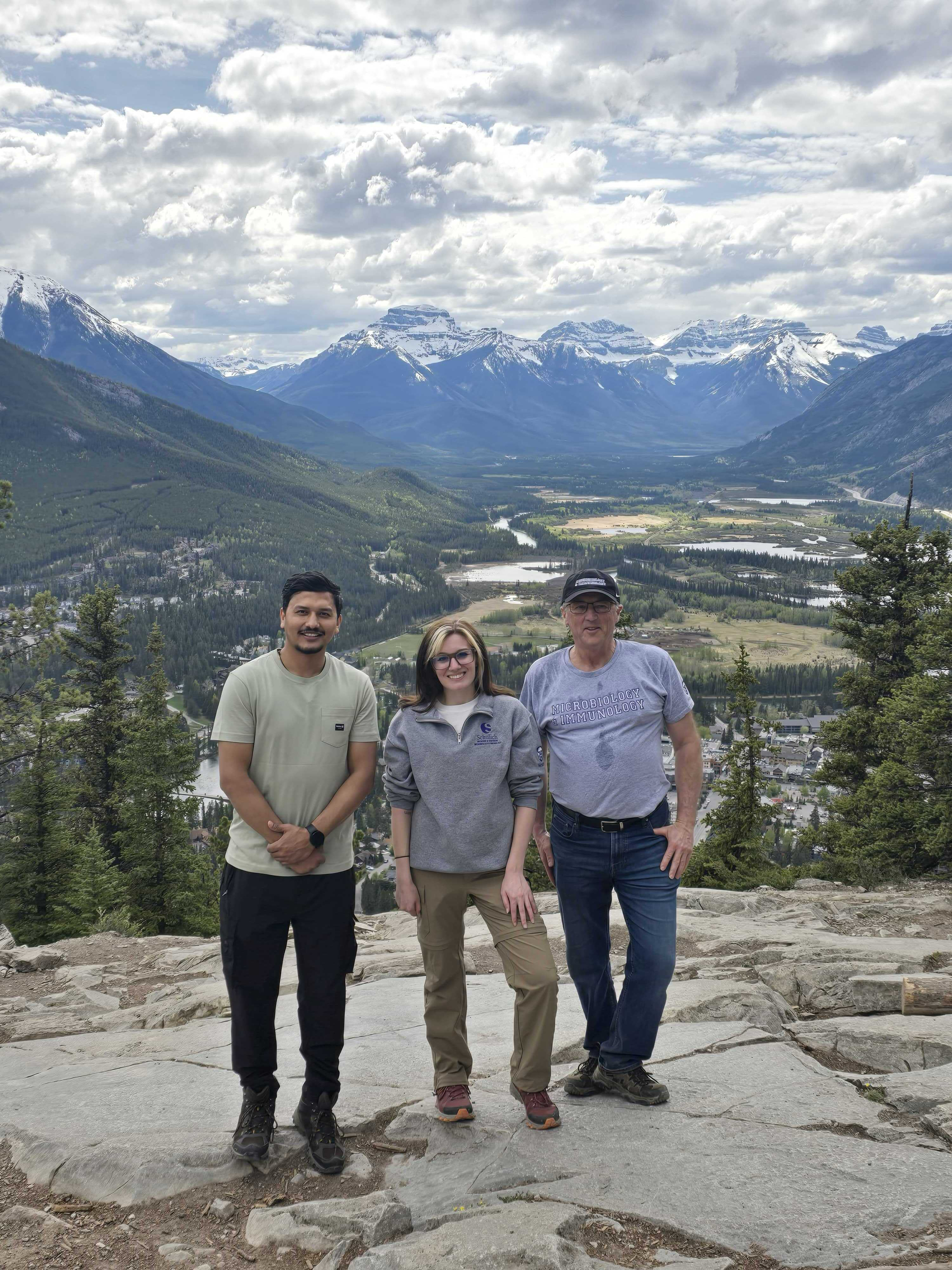
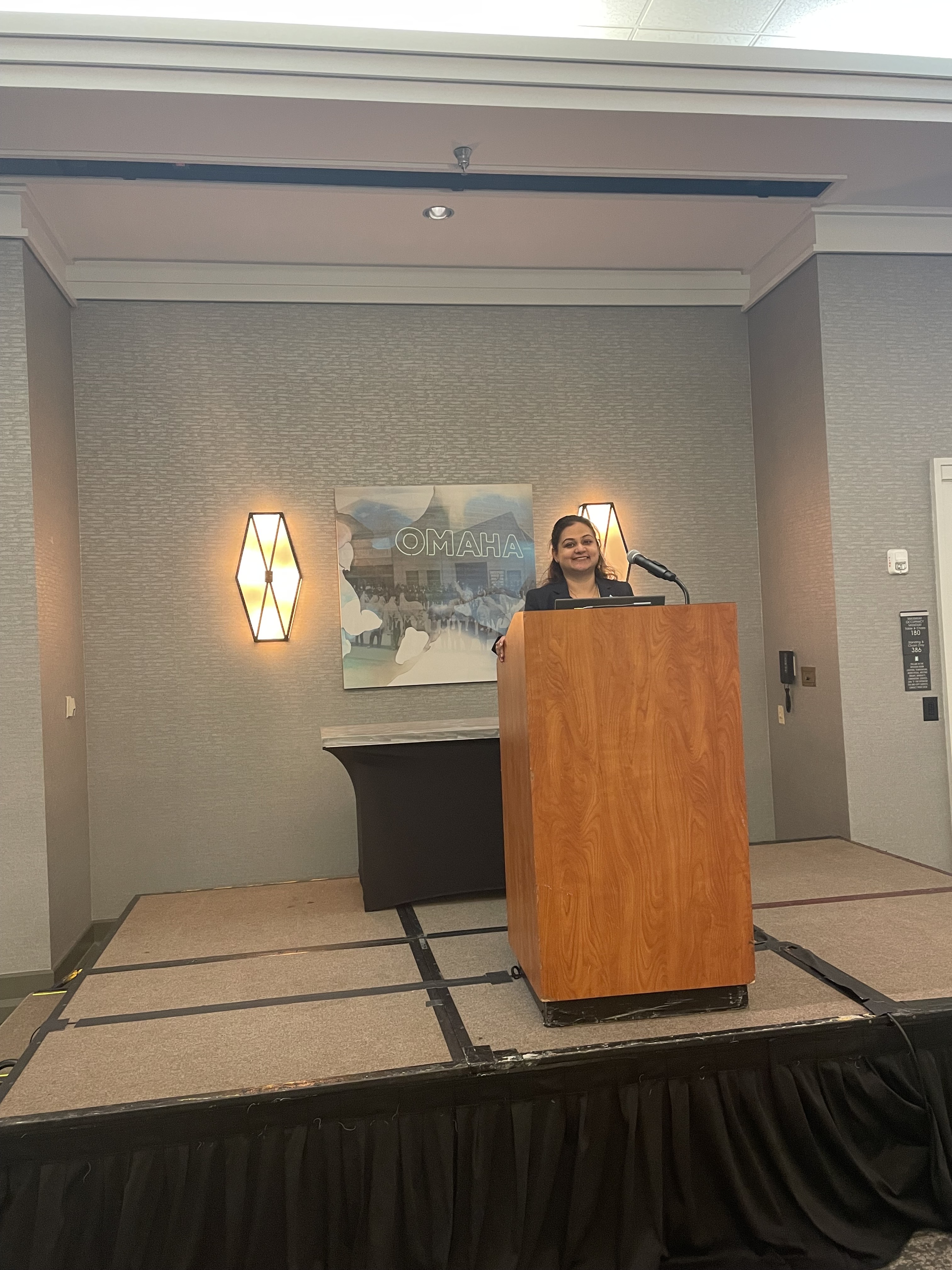
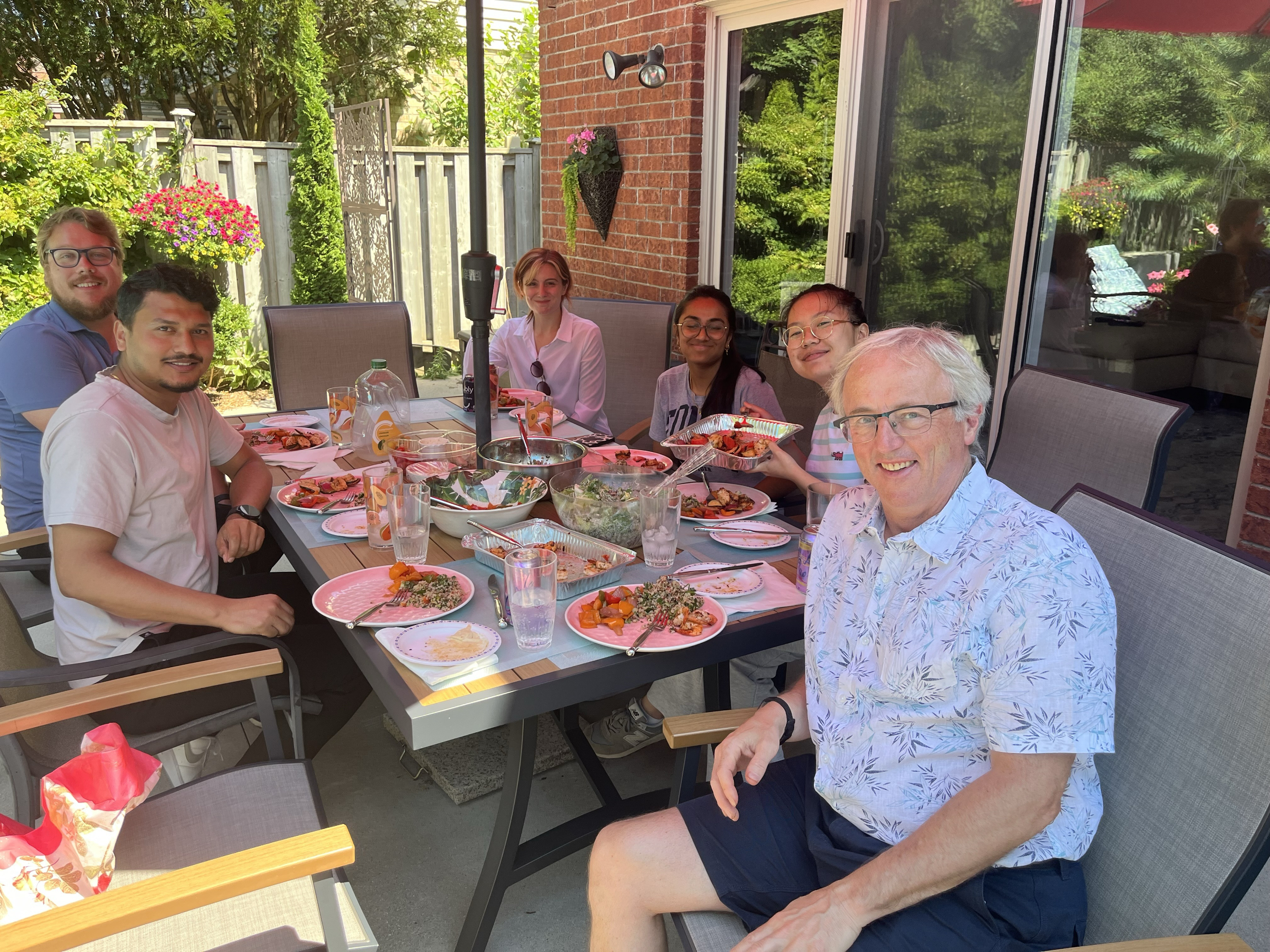
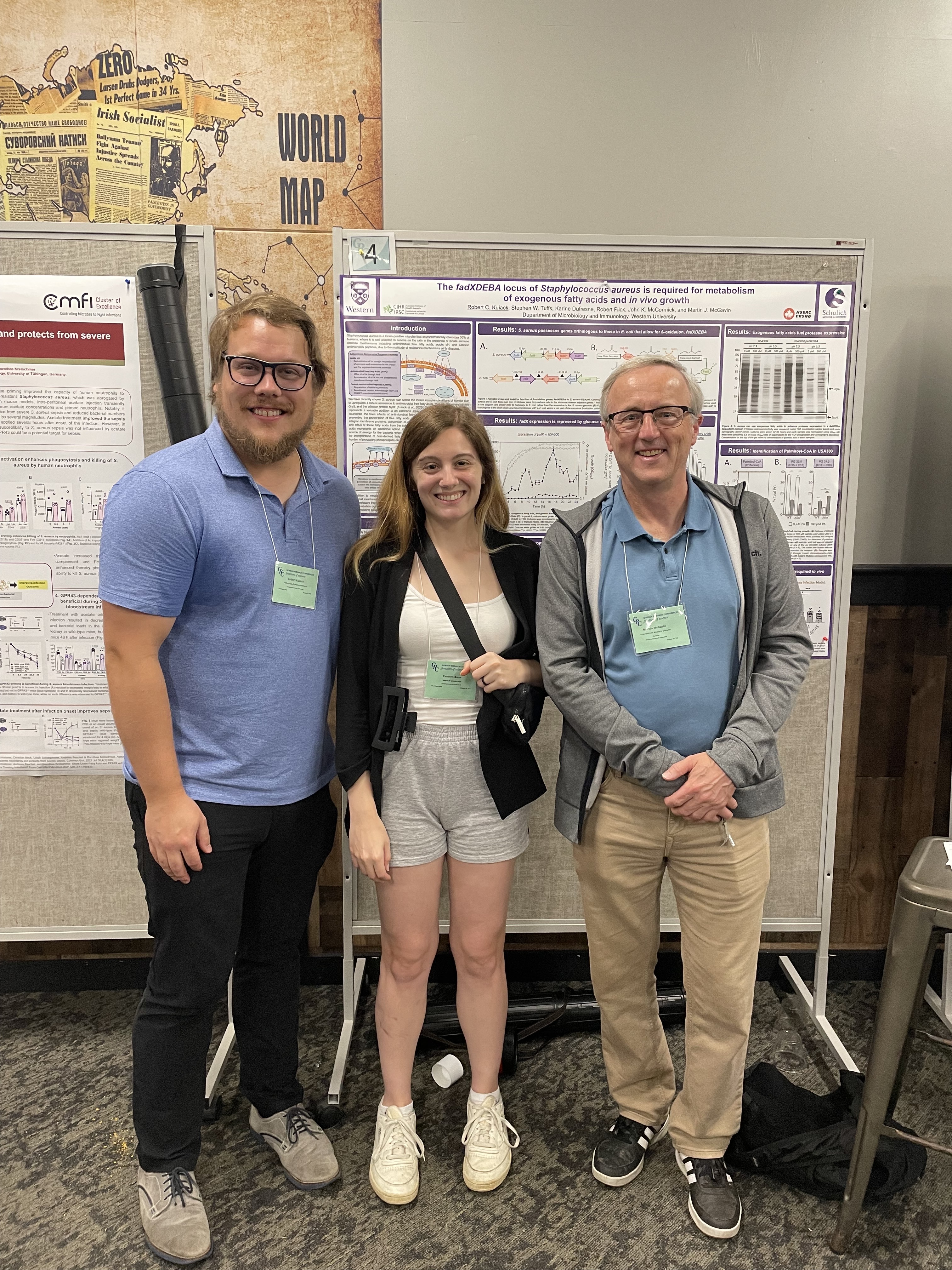
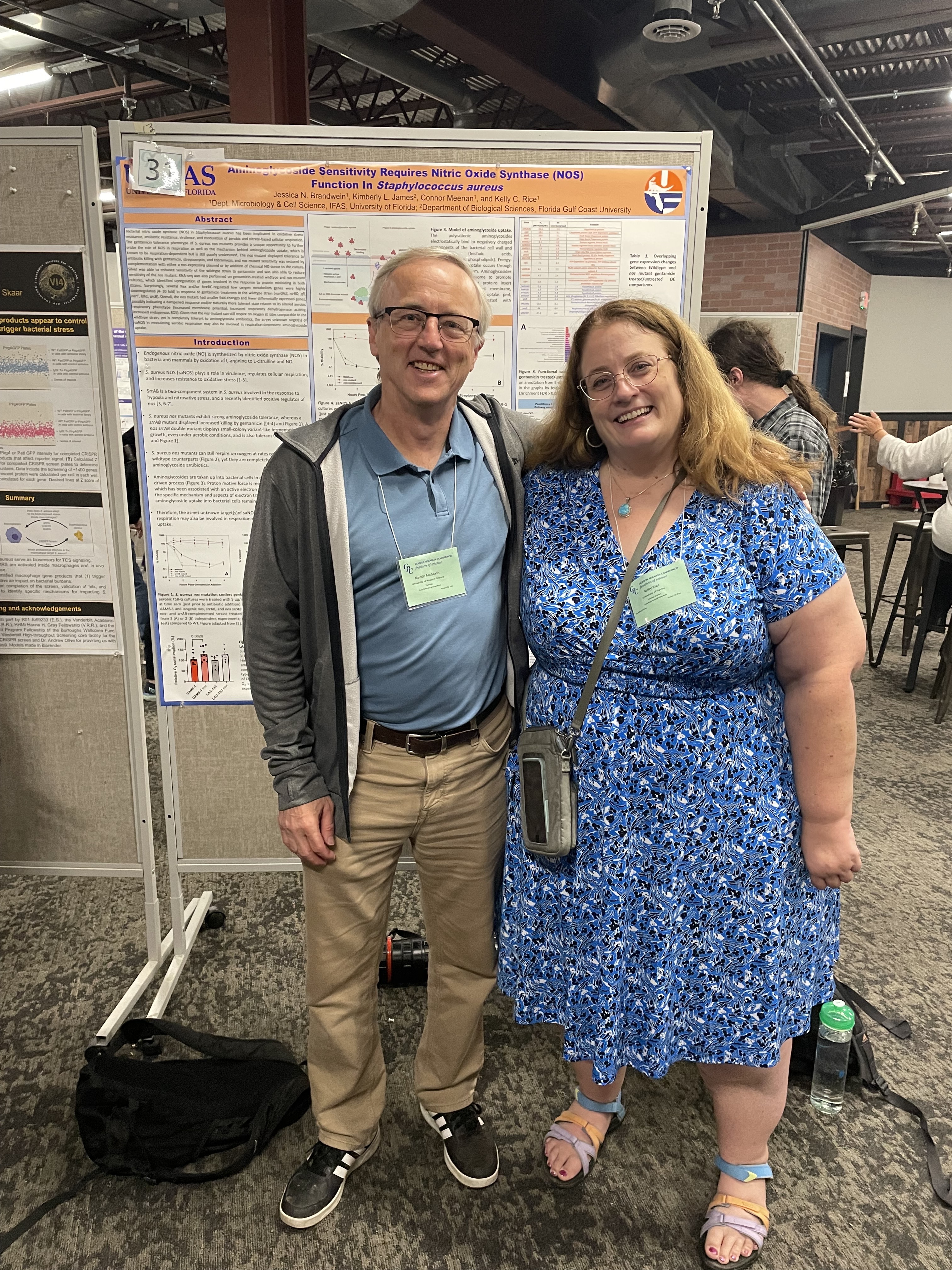
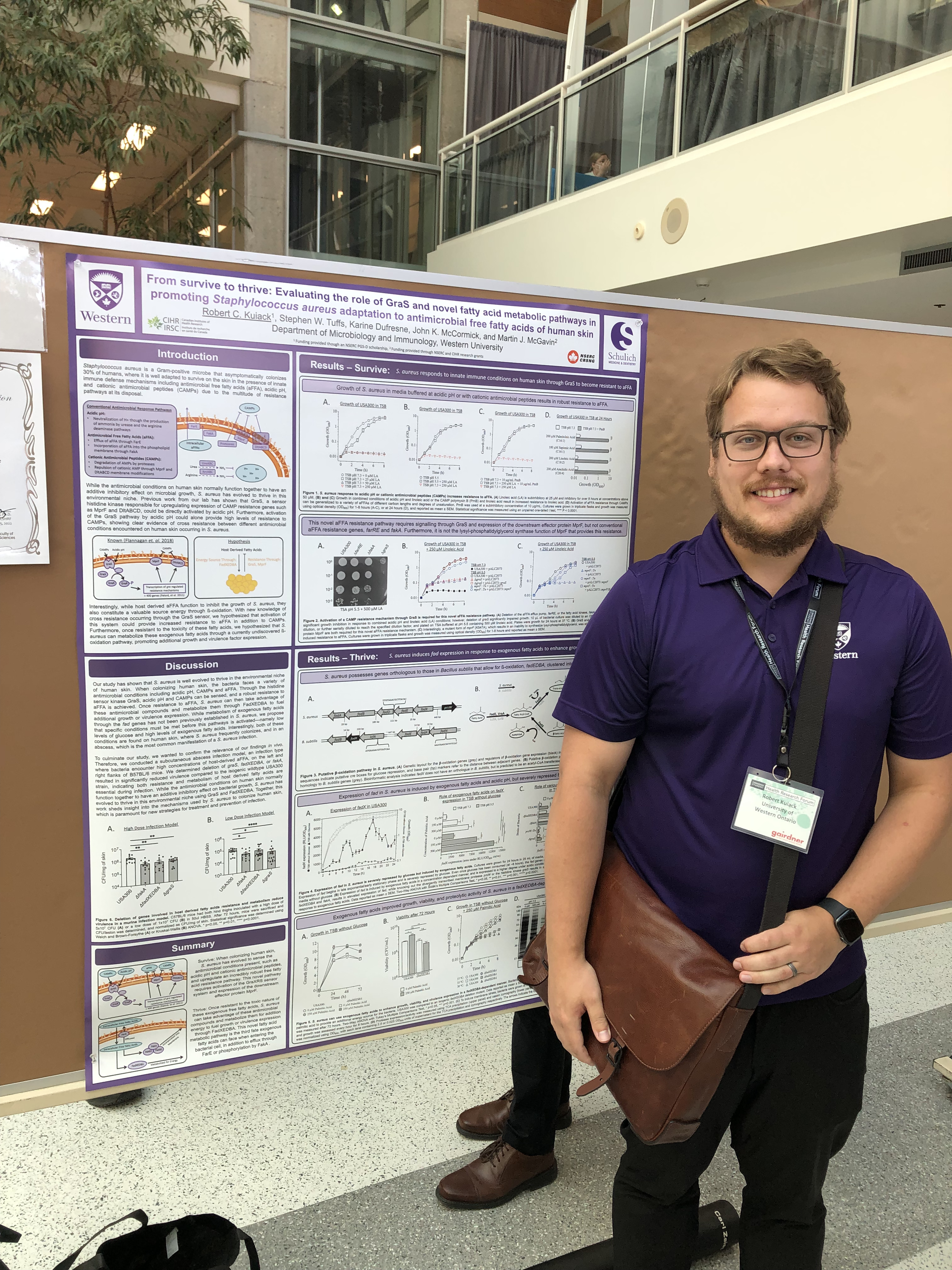
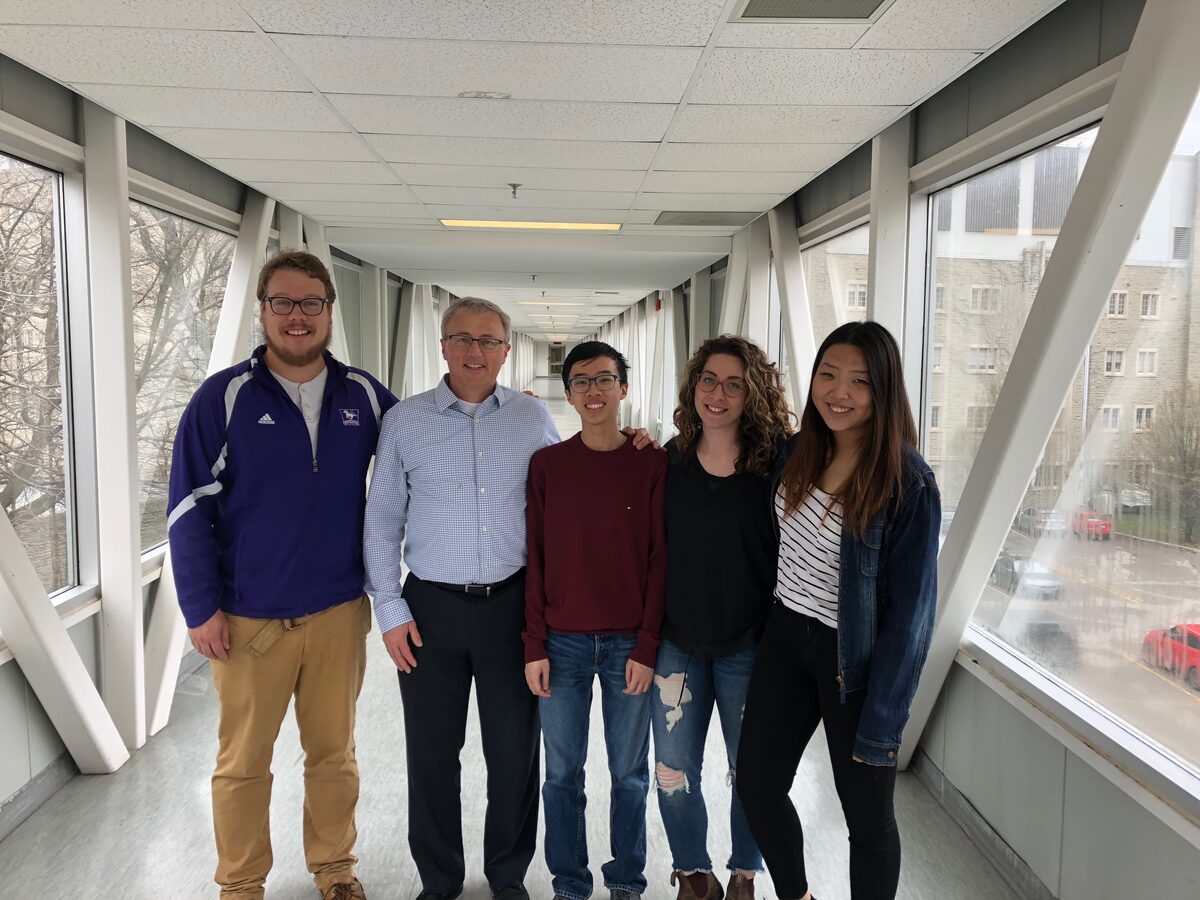
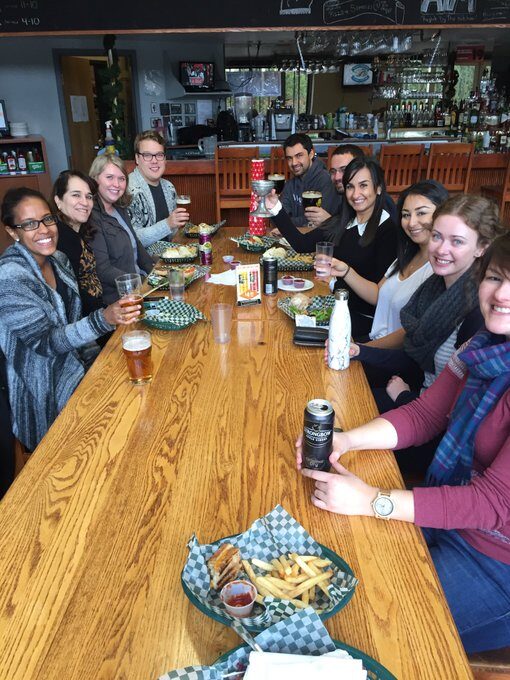
Full team & lab historyIn the lab and out of it
Where to next
Meet the team
Current lab members and eight years of alumni, from Ph.D. students to summer researchers.
FundingMade possible by
This research happens because of NSERC, Western University, and the Schulich School of Medicine & Dentistry.
PublicationsRead the papers
Every publication since 2018, with the figure that tells the story right next to the citation.